
ADENOR Global Precision Agricultural Fertigation and Maritime Export Terminal

Blog

Explore in-depth technical analyses, agronomic field benchmarks, and global procurement insights curated by ADENOR Global's chemical synthesis and international export desk. From precision liquid fertigation dynamics and mineral solubility kinetics to deep-sea maritime logistics and Incoterms standards, our technical publications empower commercial distributors, agribusinesses, and blenders with actionable market intelligence.

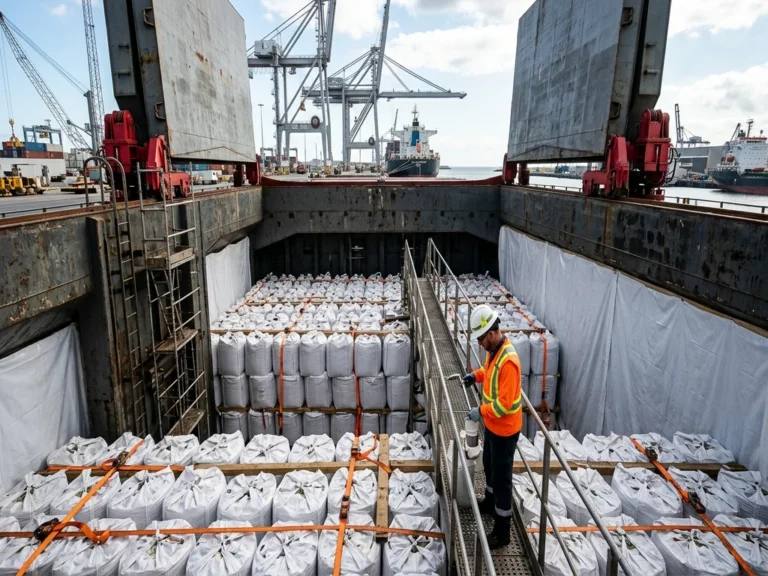
Bulk cargo vessel hold lined with protective moisture barriers and tiered FIBC fertilizer bags secured for ocean transit

Bulk Fertilizer Maritime Stowage: 6 Key Rules

Ocean transportation and Bulk Fertilizer Maritime Stowage represents one of the highest-volume sectors of global breakbulk logistics. However, hygroscopic materials—including granular urea, ammonium nitrate, diammonium phosphate (DAP), and magnesium and potassium salts—are inherently vulnerable to atmospheric moisture, cargo sweat, caking,…
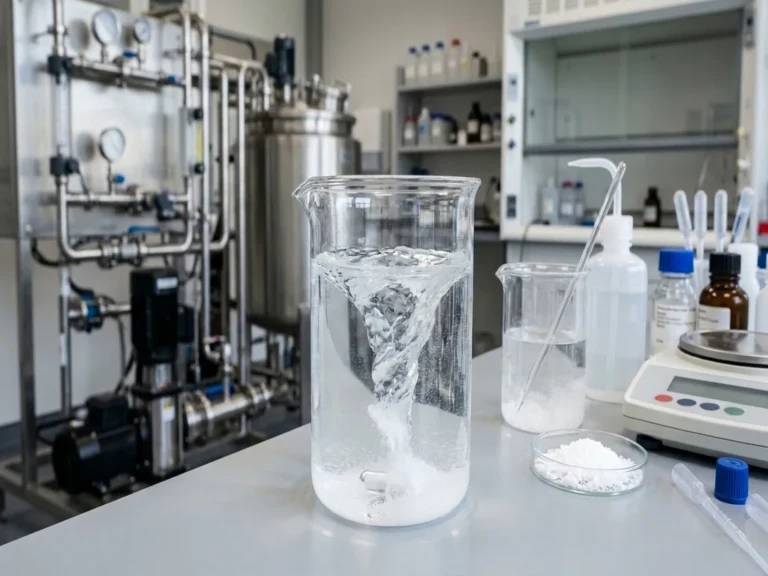
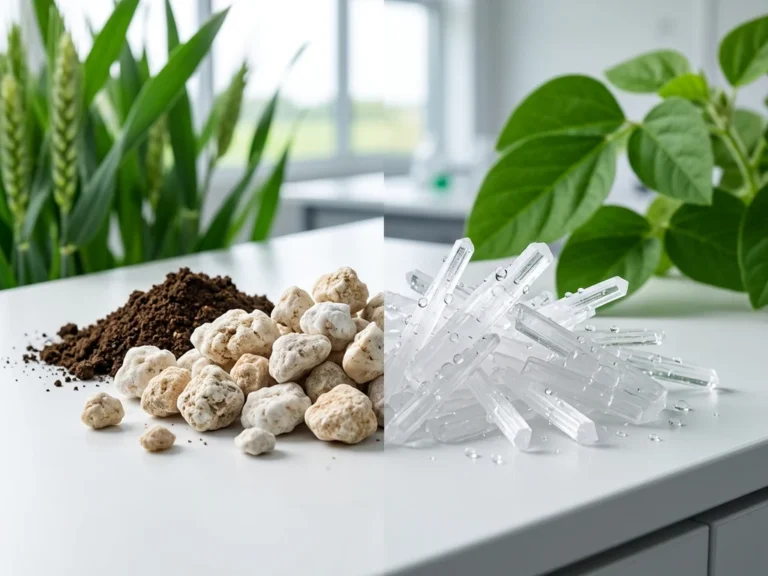
Monoammonium phosphate crystals dissolving in laboratory glassware alongside commercial fertigation tanks

MAP 12-61-0 Water Solubility & Buffering: 7 Rules

In precision drip fertigation and closed-circuit hydroponics aligned with FAO soil fertility and crop nutrition guidelines, high MAP 12-61-0 water solubility makes Monoammonium Phosphate (NH₄H₂PO₄) the industry standard phosphorus source. Its extreme purity, rapid dissolution rate, and natural acidifying buffering…

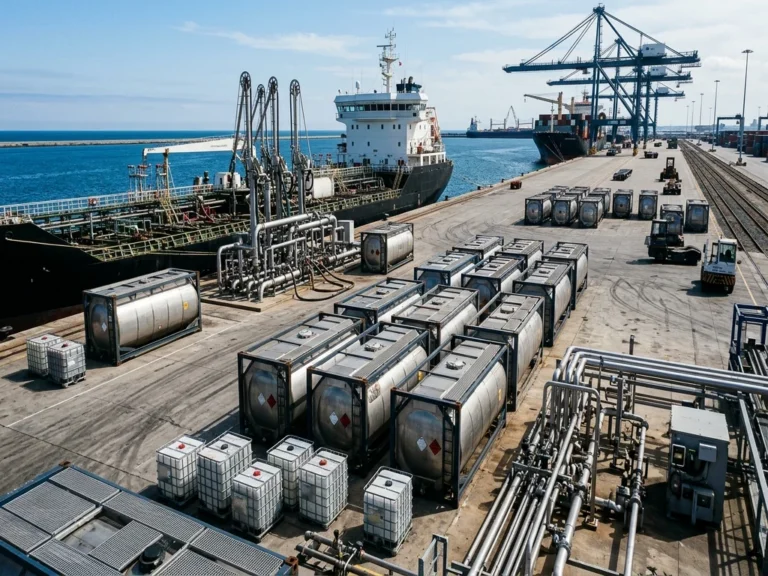
Chemical port terminal handling of stainless steel ISO tanks and bulk phosphoric acid cargo

Bulk Phosphoric Acid ISO Tank Logistics: 6 Rules

Managing bulk phosphoric acid ISO tank logistics requires strict engineering oversight. Phosphoric Acid (H₃PO₄) is the foundation of high-analysis liquid fertigation, specialty phosphate salts, and industrial food processing. For international chemical importers, industrial blenders, and maritime forwarders, transporting bulk liquid…

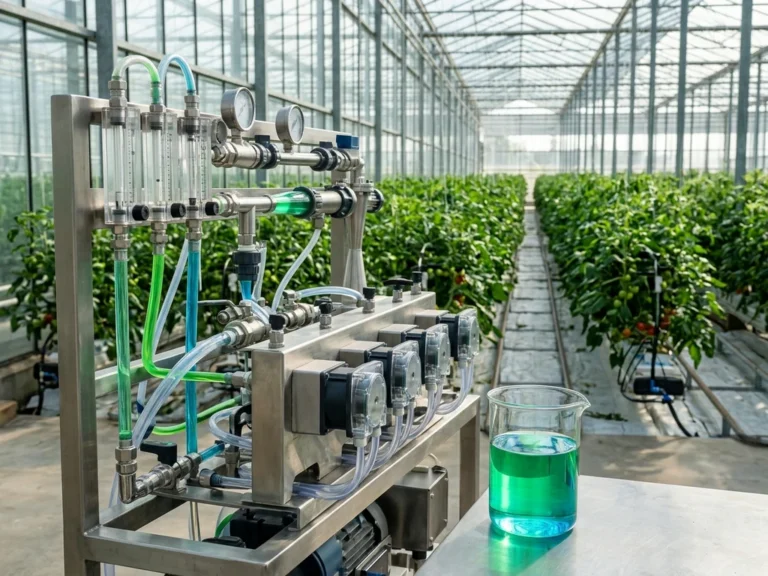
Technical comparison of Potassium Nitrate and Potassium Sulphate for precision drip fertigation systems

Potassium Nitrate vs SOP Fertigation: 6 Rules

In commercial agriculture, optimizing Potassium Nitrate vs SOP fertigation regimes is essential for crop yields. Potassium (K⁺) is the primary osmotic driver of cell turgor, documented by the International Fertilizer Association (IFA), enzyme activation, and carbohydrate translocation. For commercial distributors,…

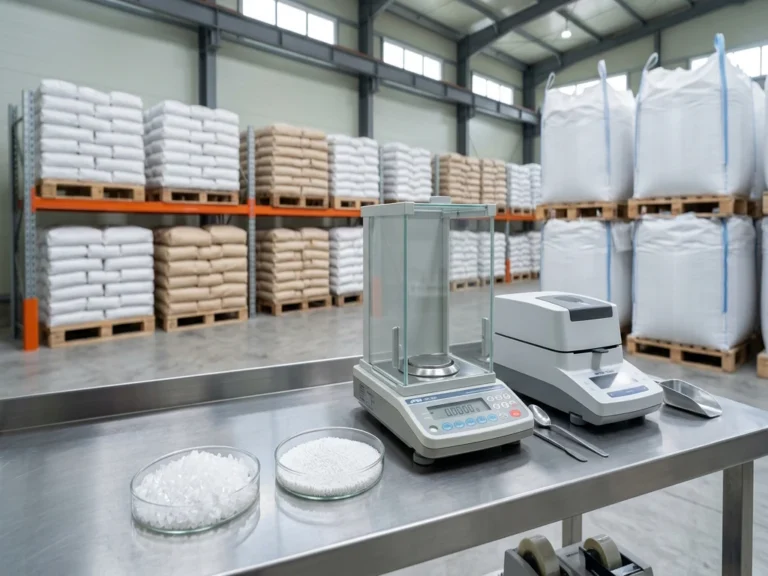
International Fertilizer Maritime Port Procurement SGS Quality Inspection

Fertilizer Procurement Incoterms: 6 Key Rules

Managing international Fertilizer Procurement Incoterms requires commercial agility and strict maritime legal compliance. Successful international fertilizer procurement hinges on precise contractual structuring across Incoterms 2020 rules (FOB, CFR, CIF), rigorous pre-shipment sampling by accredited surveyors (SGS, Bureau Veritas), and specialized…

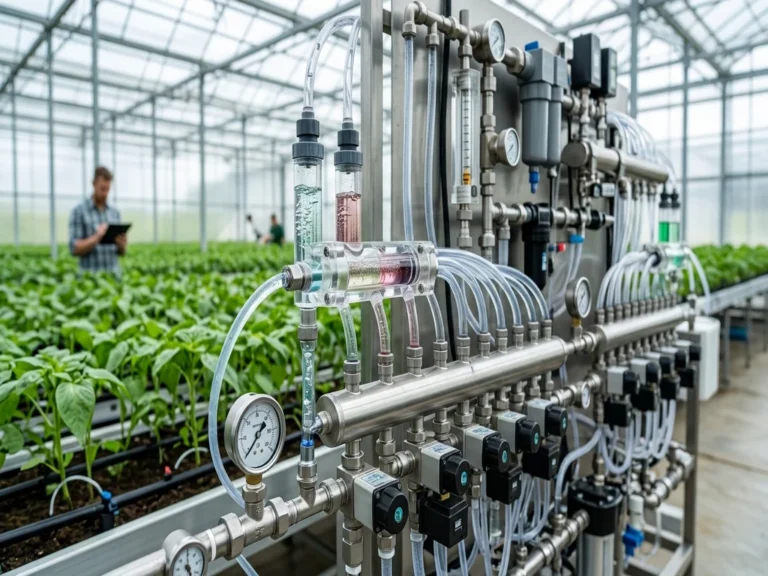
Water-Soluble NPK Formulations Precision Drip Fertigation Skid

Water-Soluble NPK Drip Irrigation: 6 Key Rules

Mastering Water-Soluble NPK Drip Irrigation schedules requires aligning nutrient ratios with specific crop phenological stages. Optimizing water-soluble NPK fertigation requires aligning nutrient ratios with specific phenological growth stages: high-phosphate formulas (such as 15-30-15 or 12-40-12) accelerate root establishment, balanced formulas…

Kieserite Granular Mineral vs Magnesium Sulphate Heptahydrate Comparison

Kieserite vs Magnesium Sulphate: 6 Key Differences

Evaluating Kieserite vs Magnesium Sulphate options is essential for agronomic managers balancing rapid uptake against sustained soil nutrient availability. While both Kieserite (MgSO₄·H₂O) and Magnesium Sulphate Heptahydrate (MgSO₄·7H₂O / Epsom Salt) supply plant-available magnesium and sulfur, their dissolution kinetics and…

UAN-32 Liquid Nitrogen Fertigation vs Traditional Granular Urea Comparison

UAN-32 vs Granular Urea: 6 Key Differences

When comparing UAN-32 vs Granular Urea for commercial fertigation programs, growers evaluate immediate nitrogen uptake against potential volatilization loss. UAN-32 delivers nitrogen in three distinct chemical fractions—50% urea, 25% ammoniacal, and 25% nitrate—providing immediate crop uptake combined with sustained soil…